

Consumerism can be defined as increasing consumption of goods and services being economically desirable. The belief being that increasing levels of spending, rather than saving, leads to a greater level of GDP.
India has a significant opportunity in consumerism due to its demographic dividend and the emergence of its middle class as a consumer. In this note we illustrate the opportunity, which can be leveraged by companies operating in
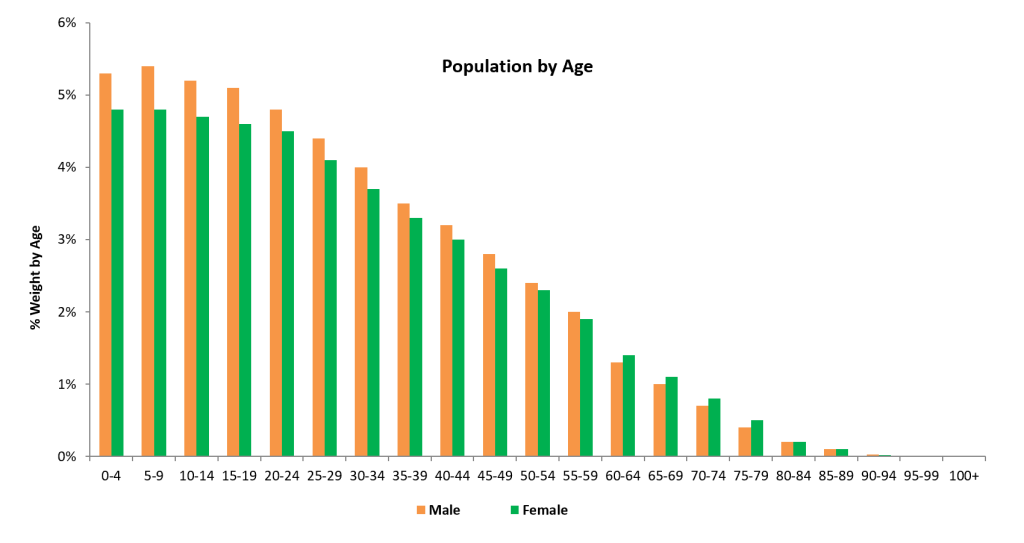
DEMOGRAPHIC DIVIDEND
Figure 1: Population by age
HOUSEHOLD SAVINGS RATE
Figure 2: Indian Household Savings

Source: tradingeconomics.com
India’s household saving rate is over 30% of disposable income, which is representative of Asia’s cultural propensity to save in general. Contrast this to the savings rate of the US (4%), Japan (sub 1%), Europe (7%), UK (4%) and Australia (9%)[1] and it is easy to understand the potential consumption spending power of a youthful and vibrant India, particularly given the focus on job creation by the Modi Government. If oil prices continue to remain low and inflation recedes, it provides the opportunity for lower interest rates, which stimulates spending and credit growth. This is likely to benefit several consumption oriented companies over the next 3-5 years in particular.RISING MIDDLE CLASS
CONSUMPTION OPPORTUNITY
TECHNOLOGY AND SOCIAL MEDIA
INDIA AVENUE OPINION
- Consumerism is inevitable in India as trends towards urbanisation, increasing consumption and increasing employment take hold.
- Technology enhances the speed by which companies can penetrate households. This should be a strong driver of growth in India.
- It is our view that companies with the appropriate consumer preference awareness, price point and localised market knowledge are likely to benefit significantly from policy initiatives and reform such as GST.
- The potential for increasing earnings growth, given the tailwinds of spending power, youthful demographics and rising wealth through skilled employment, are mind boggling
- With consumption spending set to accelerate significantly, it is likely that a “virtuous circle” of efficiency, scale and profitability commences for companies catering for shifting consumer demands
CONCLUSION
The future appears bright for consumer branded companies operating in India who know their customer and can cater for changing tastes and preferences of a local customer base. However, the demographic dividend can pass India by if policy and reform agendas do not focus on employment, upskilling labour and education. A significant opportunity awaits if the dividend can be harnessed appropriately. ———————