When a country is experiencing sustained economic growth, there are usually some significant structural tailwinds. Typically, favourable demographics can provide a sustained phase of economic growth. India is currently experiencing the benefits of its underlying demographics. The key aspects to its demographics are the size of its population (above 1.4 billion people) and the average age of this population (29 years of age). This is leading to a lower dependency ratio i.e. lesser proportion of non-working age (dependents) to working age (15-65). Dependency ratio: India vs China Source: World Bank It is likely that the lines will cross around 2030. China’s growth can be linked to its dependency ratio, with a peak in achieved in 2010 when the ratio reached its lower point. At this point 2/3 of the population was working age. As China’s population ages and dependency rises, its growth will inevitably slow and less of the population becomes productive. India’s economic growth is now sustainably higher than China’s. This has happened as India’s dependency ratio continue to fall, leading to the world’s largest working age population. Source: IMF The IMF now forecasts India to take leadership over the rest of the decade in comparison to China and other Emerging Markets as well as compared to developing countries. Typically, a country experiencing strong economic growth is also likely to have several listed companies which participate in that growth story as addressable markets grow to reflect the size of the growing opportunity pie. Privatization in India has been a significant part of economic reforms since the early 1990s. The process involves transferring ownership, management, and control of public sector enterprises to private entities. India’s landscape is also highly aspirational and entrepreneurial. To reflect this India has a vibrant startup ecosystem and is now home to 116 unicorns (companies which have risen to US$1bn in valuation). From listed companies to unicorns, India’s growth story can be captured by long-term, patient investors. We foresee India’s growth to be superior to other geographies for at least the next two decades which should lead to strong corporate profit growth and therefore equity market returns. Source: IMF, Refinitiv and MSCI Source: MSCI Over time, India has had lower correlation to equity markets relative to Emerging Markets. So, adding Indian equities (one country) has improved the risk-return metrics of global share portfolios compared to adding Emerging Market equities (25 countries). This doesn’t seem to make intuitive sense but is due to India’s growth being driven more from local demand and the services sector, rather than export / manufacturing driven growth. India is also a commodity importer, whereas countries like Australia and New Zealand are commodity exporters. Thus, investors whose portfolios are AUD or NZD domiciled in particular, are likely to benefit from including Indian equities as part of portfolios in comparison to adding Emerging Market equities (which tend to have a high representation of commodity / exporters i.e. Korea, China, Taiwan, South Africa, Middle East).

2024

Why is India the next big opportunity for Australian and New Zealand investors
- admin
- October 2, 2024
- 0 Comments

What makes the India Avenue Equity Fund unique? A Deep Dive for our Investors
- admin
- September 27, 2024
- 0 Comments
India Avenue’s focus as a business is to build robust investment solutions that allows Australian and New Zealand based clients to harness the multi-decade India growth story as part of their investment portfolios. For growth investors seeking exposure to companies offshore, India’s demographics offers attractive tailwinds. As investor we seek to build an investment product that can capitalise on a corporate ecosystem which benefits from India’s superior long-term economic growth (relative to other geographies). We do so by our singular focus on India as an investment region given allows us to build a product which seeks to align itself to India’s growth story, whilst considering all the operational aspects which can minimise cost leakages. Investment Approach When investing in Indian equities, it makes sense to consider a “deep approach” rather than just access. India is an inefficient market, which allows active investors to outperform market cap weighted benchmarks like the MSCI India or the Nifty 50. The difference between Global Equity Funds, Emerging Market Funds and Asia Funds seeking to gain exposure to India in sleeves of let’s say 2%, 20% and 25% (reflecting their benchmark weightings), then it likely to be large cap and liquid due to the much larger size of most of these broader mandates. So, by investing in these structures, you tend to be accessing a sleeve of Indian companies who are already large, successful and market leaders in their category – typically this comes at a price. The price of liquidity and being over-researched. What about single country fund exposure to India? It is our belief that the following is critical from an investment perspective, to deliver long-term success (measured by investment returns). An actively managed portfolio which is sectorally, stylistically and stock weighting wise differentiated to the benchmark. These tilts should reflect the macro and industry view of the fund manager, but also a deep understanding of company founders, management, financial management policies and industry positioning and opportunity. Co-invest alongside industry experts who have managed money within India’s ecosystem for decades and built a strong track record and a unique style, which is hard to replicate. India Avenue partners with locally based investment advisers in India, who are essentially highly skilled fund managers who have operated successfully in India for many years. These advisers give us “advice” within guidelines, which we implement through our panel of stockbrokers to build a highly active Fund of 65-70 companies. Our differentiating factor is our partnerships with these local experts we refer to as our advisers. Their insights, macro, micro and market understanding bring together im combination a well-managed, diverse portfolio. Apart from our advisers, India Avenue has a strong network which includes prospective investment advisers, over 5 stockbrokers that we our portfolio through and access to industry experts which we have interacted with along our journey – a legacy our Founders significant experience in this asset class. Our Operational Expertise Our Fund has embedded within it, an efficient structure which is based on our experiences. Indian equities cane be an expensive and cumbersome asset class to invest in due higher transaction and custody costs, licensing, capital gains tax, management fees and turnover. Maximising efficiency and minimising costs are an essential requirement in generating robust long-term returns. Our singular focus on Indian equities and our background experience of building foreign investment vehicles to allow investment into Indian equities, play a significant role in our long-term achievements. Our use of a local custodian over a global custodian provides a significant cost advantage in transaction costs. Global custody costs for transactions are far higher than local custody costs. However, in a Global, EM or Asia Fund you don’t see it as its included with all the other markets where costs may be not as high. Our Knowledge Difference As a firm focused on Indian equities, we seek to educate our client base on why the investment could play a role in their overall investment portfolios. To do this we understand that we need an understanding of not only our asset class, but also its fit for client portfolios. Hence our research content (fact sheets, research notes, webinars, media appearances and presentation) all focus on education about India and its equity markets and how to access the story appropriately. We also take 10-20 of our clients with us to India every year on a Grassroots India Tour, which allows them to meet with our advisers, regulators of India’s capital markets, stockbrokers, companies we invest in and industry experts across 3 cities over a week. Once again, its our singular focus on India that allows us to build something which has been put together with care and insight.uest
India Avenue’s Unique Investment Process
- admin
- September 24, 2024
- 0 Comments
India Avenue utilises a multi-adviser philosophy to capture the full benefits of investing in India’s equity markets. As articulated in our philosophy, we believe that India is an inefficient market, meaning that active managers can add value by identifying appropriate companies to invest in. Another pillar of our philosophy was our belief that local asset managers in India are more likely to outperform benchmarks, than fund managers based outside of India who have exposure to India, either through Global, Emerging Market or Asia strategies, or even running an India fund from abroad. Our process seeks to capture these beliefs in our product proposition. The India Avenue Equity Fund is an actively managed long-only equity fund, which seeks to outperform the MSCI India through insightful stock selection. This comes from the well-practised skill set of fund managers operating within India’s economic, regulatory and corporate ecosystem. The output of this skill set can be evidenced in their ability to outperform benchmarks and peers over long-term horizons. We identify the universe of investment managers in India, who can act as our advisers. We reduce this to a working list by undertaking due diligence. We are well placed to do this given our experience attained from investing, applying the same methodology over the last 8 years (2016-2024) and previously with ING Investment Management (2005-2012). Our due diligence leads to a short list of advisers we can use to construct a portfolio with. We utilise an investment advisory agreement to partner with our advisers (which we design in conjunction with our advice partners). Our advisers then provide advice i.e. what stock to buy or sell (including limit prices) as they seek to construct a portfolio of advice for India Avenue. India Avenue then blends a proportion of the various advisory portfolios from our advisers to construct its overall portfolio. However, all advice must pass through our pre-compliance system prior to implementation. We implement the advice of our advisors by trading through a panel of five Indian stockbrokers. India Avenue utilises a centralised portfolio management structure for implementing advice. This creates synergies in implementing a multi-adviser philosophy, rather than embedding additional layers of cost. The last and most important step is monitoring and reviewing the aggregate portfolio for appropriateness given the prevailing macro and microenvironment. This and an outlook for Indian equities is discussed and ratified in the quarterly Investment Committee meetings, which include India Avenue’s Investment Team as well as two independent voting members. Our careful and painstaking approach to building our product proposition embeds all our knowledge, not only on investing, but also on operations and taxation when investing in a market like Indian equities. For example, use of a local custodian of assets helps us to maintain lower transaction costs, when trading in a market like India. We believe this comes from our singular focus on India as an investment destination, our significant network in India and the experience of our founders.
These are the 3 pillars of India Avenue’s investment philosophy – our portfolios and process are built on capturing this anomaly
- admin
- September 20, 2024
- 0 Comments
India Avenue Investment Management was registered as a boutique investment firm in 2015, launching its first product, the India Avenue Equity Fund in September 2016. The origins of the firm go back to 2005, when the founders worked together at ING Investment Management in India and Australia. The firm was built on three key pillars to its investment philosophy. India has been a high GDP growth region relative to other countries over the last 30 years. It took over leadership from China in the last decade and is likely to be the GDP growth leader over the next few decades. Source: IMF World Economic Database The average from 1981-2023 was 9.0% for China, India 5.9%, Emerging 4.4% and Advanced 2.4%. However, over the next 5 years the IMF forecasts 6.5% for India, Emerging 4.1%, China 3.8% and Advanced 1.7%. India is expected to maintain leadership given its large, youthful, working age population. This should mean a rise in GDP-per-capita over the next 10-20 years as economic growth shifts from being driven by a rising population to rising productivity. We also believe that India’s equity market is an inefficient asset class. This means that active managers can provide a better investment experience by outperforming passive market cap weighted investment benchmarks. We believe this is because the number of brokers covering stocks reduces significantly. The Indian market has over 5000 listed stocks, making it one of the largest stock markets in the world by number of listings. The opportunity set is large in comparison to most regional / country equity markets. Sell-side broker coverage focuses on the top 150 by market capitalisation, with the number of sell-side analysts covering a company falling as stock market capitalisation falls. This arguably leads to less efficient pricing of stocks, resulting in the market taking longer to adjust to new information and converge to fundamental fair value. Stocks outside the Top 150 by market cap tend to have a lower ownership by professional / institutional investors, due to their prioritisation of liquidity. Ownership of smaller cap stocks tends to be dominated by retail investors, where outperformance opportunities are more abundant due to mispricing. Source: IAIM Research, Trendlyne The strong market growth of India’s capital markets coupled with a rapidly emerging IPO pipeline has created an attractive opportunity set that is best understood by local investment professionals. The number of IPO’s continues to over the last 10 years after a brief break during COVID-19. Unlike most developed markets, professional investors hold a low component of the Indian equity market: Private Indian Promoters 32.7% Foreign Promoters 8.0% Foreign Portfolio Investors 17.9% Government 11.2% Domestic Mutual Funds 8.9% Banks, Financial Institutions, Insurance 5.6% Individual Investors 9.5% Others 6.1% Finally, we believe that local managers based in India have a deeper understanding of India’s corporate culture, ecosystem and locally listed companies. Over 40% of the Indian stock market is owned by Founders/Promoters. As an investor, if you don’t have a deep understanding of the corporate behaviour of owners and their treatment of minority shareholders, then it can lead to unexpected outcomes. Local investors have a better chance of grasping this as well as local market regulations, microeconomic conditions and seasonality, local investor behaviour (local investors are now more significant in size that foreign investors in India) and assessing the impact of government initiatives. Additionally, they are also in more regular contact with suppliers, peers, consumers, service providers and competitors of businesses. Locally based investment firms typically have greater breadth and depth in stock picking, more focused resources and a deeper knowledge of the local ecosystem and its growth opportunities. Externally based funds with a broader country mandate (Global, EM or Asia) tend to prioritise liquidity and relative valuations when identifying opportunity across regions. Typically, Emerging Market Funds outperform their benchmarks by 1% after fees (based on a study of 15 large EM funds) over the last 10 years. This includes an allocation of 5-25% to India, which focuses typically on large, liquid companies that have institutional owners and broker coverage. Locally based, India focused managers are likely to focus on a broader universe to identify growth companies at reasonable valuations. Therefore, playing the India growth story, rather than focusing more on large constituents of the Indian benchmark. Over the last 10 years local the median manager based in India has outperformed the benchmark by over 5% annualised (a range of flexi-cap funds in India, relative to a broad market cap weighted index).
Amara Raja Energy & Mobility: Steering India Towards a Sustainable Future
- admin
- September 19, 2024
- 0 Comments
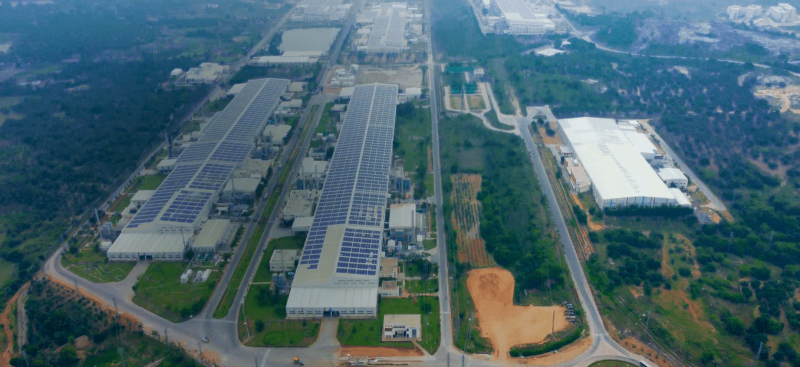
Amara Raja Energy & Mobility Ltd, is a company listed on India’s stock exchanges, with a market capitalisation of NZ$5.6 billion. It has grown through innovation and by participation in the rapidly transforming Indian energy landscape. Formerly known as Amara Raja Batteries, the company’s strategic rebranding in 2023 to reflect a wider vision underscores its commitment to India’s energy transition. As a manufacturer of lead-acid batteries, Amara Raja has ventured into new energy markets while maintaining its incumbent role in India’s economy. Historical Strength and Strategic Evolution For decades, Amara Raja has been a significant player in the Indian battery sector, with its success being driven by manufacturing of lead-acid batteries, essential for automotive, telecom, railway, and other industrial applications. Operating eight advanced battery manufacturing facilities across India and exporting to over 50 countries, Amara Raja’s foothold in global markets is a testament to its product quality and customer relationships. The rebranding to Amara Raja Energy & Mobility in 2023 marked a significant strategic pivot, signalling a broader ambition to influence India’s green energy revolution. This shift expanded the company’s focus to include renewable energy storage and sustainable mobility solutions. Amara Raja’s expertise in energy storage technologies and manufacturing capabilities position it to capitalise on India’s escalating energy demands. Visionary Investments for a Sustainable Future Amara Raja’s desire to be a significant player in India’s energy transition is evident in its substantial capital expenditure initiatives commenced in 2022, aimed predominantly at amplifying its new energy division. These initiatives focus on developing renewable energy storage solutions and lead recycling, aligning with the company’s dedication to sustainability and circular economy principles. These projects harmonize with India’s overarching goals of achieving Net Zero emissions by 2070 and establishing itself as a global renewable energy hub. The Government’s ‘Make in India’ initiative, promoting domestic manufacturing, further augments Amara Raja’s prospects. The increasing penetration of personal vehicles and rising commercial vehicle demand due to infrastructural enhancements present opportunities for the company in the automotive battery market. Pioneering the Lithium-ion Revolution The recognition by the company that growth should focus on “renewable energy” sources is aligned to the global shift towards electrification. This is likely to result is significant demand for lithium-ion batteries. Amara Raja’s established presence and know-how in the industry and market share provides it with a competitive edge amidst significant change and evolution in the sector. Source: Amara Raja Investor Presentation In a strategic move in June 2024, Amara Raja signed a technical licensing agreement with Gotion High-Tech, a key player in the Chinese battery industry, to manufacture LFP (lithium iron phosphate) cells and spearhead the development of Slovakia’s inaugural LFP battery gigafactory. This collaboration is likely to enhance Amara Raja’s global reach and access to growth in the international lithium-ion battery market. The partnership with Gotion High-Tech allows Amara Raja to leverage expertise and capacity in the lithium- ion value chain. Investment Appeal and Growth Prospects With a legacy built on lead-acid batteries and an expanding footprint in the lithium-ion sector, the company is well positioned to leverage the opportunities emerging from India’s energy transition. The escalating demand for energy storage solutions, propelled by mobility electrification and increased renewable energy utilisation, should provide a robust growth trajectory for Amara Raja. India Avenue Equity Fund initially purchased shares in the company in June 2023 at a price point of around Rs.635 per share. Over the past 13 months, the stock has performed well relative to the benchmark (MSCI India) return of 43% over the same corresponding period. Stocks like Amara Raja are typically not owned by foreign investors due to its market cap and liquidity. However, as growth prospects become more evident to the broader market of stockbrokers and investors, it attracts appeal from a broader investment community. At this point the liquidity and valuation of the stockstends to naturally improve. Disclaimer This Note (‘Note’) has been produced by India Avenue Investment Management Limited (‘IAIM’) ABN 38 604 095 954, AFSL 478233 and has been prepared for informational and discussion purposes only. This does not constitute an offer to sell or a solicitation of an offer to purchase any security or financial product or service. Any such offer or solicitation shall be made only pursuant to a Product Disclosure Statement, Information Memorandum, or other offer document (collectively ‘Offer Document’) relating to an IAIM financial product or service. A copy of the relevant Offer Document relating to an IAIM product or service may be obtained by writing to us at IA@indiaavenue.com.au or by visiting http://www.indiaavenue.com.au.This Note does not constitute a part of any Offer Document issued by IAIM. The information contained in this Note may not be reproduced, used, or disclosed, in whole or in part, without the prior written consent of IAIM. Past performance is not necessarily indicative of future results and no person guarantees the performance of any IAIM financial product or service or the amount or timing of any return from it. There can be no assurance that an IAIM financial product or service will achieve any targeted returns, that asset allocations will be met or that an IAIM financial product or service will be able to implement its investment strategy and investment approach or achieve its investment objective. Statements contained in this Note that are not historical facts are based on current expectations, estimates, projections, opinions and beliefs of IAIM. Such statements involve known and unknown risks, uncertainties and other factors, and undue reliance should not be placed thereon. Additionally, this Note may contain “forward-looking statements”. Actual events or results or the actual performance of an IAIM financial product or service may differ materially from those reflected or contemplated in such forward-looking statements. Any trademarks, logos, and service marks contained herein may be the registered and unregistered trademarks of their respective owners. Nothing contained herein should be construed as granting by implication, or otherwise, any license or right to use any trademark displayed without the written permission of the owner. Certain economic, market or company information contained herein has been obtained from published sources prepared by third parties. While such sources are believed to be reliable, neither IAIM nor any of its respective officers or employees assumes any responsibility for the accuracy or completeness of such information. None of

How the India Avenue Equity Fund Outperforms Traditional Investments
- admin
- September 17, 2024
- 0 Comments
India is now the most populous country in the world, with close to 1.5 billion people. The average age of the population is just 29, with a significant number of people entering the workforce every year (over 10 million per annum). This should lead to rising wealth and productivity for India as a nation, which correspondingly will lead to greater consumption and demand for infrastructure and increased create a positive upward productivity spiral. Due to favourable demographic tailwinds, India is one of the fastest growing major economies in the world, averaging over 6.3% real GDP growth per year over the last two decades, according to the International Monetary Fund. It is currently the 5th largest economy in the world, only behind the US, China, Japan, and Germany and is expected to grab third spot well before 2030. Given the favourable economic backdrop, it is likely that India’s equity market (now the fourth largest in the world) will continue to be driven by strong corporate earnings for several companies benefitting from India’s favourable demographics. Rapid economic growth has led to a thriving corporate ecosystem, where several successful companies operate today. Corporate earnings are being driven by: Economic Growth: India’s economy is growing rapidly, driven by infrastructure demand, manufacturing, and rising consumption. Digitisation: Increasing mobile and internet penetration is facilitating growth across various sectors. Financialisation: Greater access to banking and credit is expanding economic opportunities. Formalisation: A shift towards organized and branded businesses is creating more stable and scalable enterprises. Urbanisation: Migration to metropolitan areas is boosting demand for goods and services. Therefore, a Fund like the India Avenue Equity Fund, which selects companies listed only in India, as part of its investment portfolio, is likely to benefit from the underlying fundamental tailwinds of the region. This is likely to be broadly superior to investing in other regions, given that the tailwinds for growth are driven by a youthful, aspiring, and innovative society. Whilst in most developed countries the market for each product is likely to be more mature as wealth levels have less dispersion, in emerging economies like India’s, rising wealth will have a profound effect for companies due to a faster rate of increase in demand for their products. These factors contribute to a thriving corporate ecosystem, where companies can benefit from both local demand and export opportunities due to lower labour costs and industry expertise. Active management in the selection of which companies to invest in can provide a better long-term experience if the underlying investors have experience in investing in regions like India. This experience should help identify which are the faster growing companies, where valuations are not yet reflective, and the aim being to hold these companies as part of the Fund. This approach can be particularly effective in a dynamic and rapidly evolving market like India.

Phoenix Mills: An attractive Real Estate & Consumption Story
- admin
- August 27, 2024
- 0 Comments
India’s real estate and hospitality sectors have seen remarkable transformations over the past few decades, evolving from traditional and fragmented markets into organised and rapidly growing industries. The real estate sector has been a cornerstone of India’s economic development, contributing significantly to GDP and employment. Driven by rapid urbanisation, increasing income levels, and favourable government policies, the sector has witnessed the rise of modern infrastructure, smart cities, and integrated townships. The hospitality sector, closely linked with real estate, has also grown by leaps and bounds. India’s rich cultural heritage, diverse landscapes, and expanding business hubs have made it a global tourist destination. The growth of domestic travel and the influx of foreign tourists have spurred the development of luxury hotels, resorts, and mixed-use developments, integrating retail, entertainment, and accommodation. This synergy between real estate and hospitality paved the way for the emergence of key players who are shaping the future of these sectors. Among these players, Phoenix Mills stands out as a trailblazer, with a rich legacy and a forward-looking approach that has made it a leader in the Indian real estate and hospitality industries. From its humble beginnings as a textile mill in 1905, Phoenix Mills has transformed into a diversified conglomerate, with a strong focus on developing and managing large-scale retail-led mixed-use properties and luxury hotels. An Attractive Business Model Phoenix Mills operates primarily through two segments: Property and Related Services and Hospitality. The Property and Related Services segment is the company’s cornerstone, encompassing the development and management of large-scale retail-led mixed-use properties. Phoenix Mills pioneered the concept of destination malls in India, with flagship properties like High Street Phoenix in Mumbai, Palladium Mall, and Phoenix Market City malls across major metropolitan cities, which offer a unique blend of shopping, entertainment, and lifestyle experiences. The business has 10 operational malls, 2 hospitality assets, 5 commercial and 2 residential assets. The hospitality segment, though a smaller part of the company’s portfolio, complements its real estate operations. Phoenix Mills owns and operates luxury hotels, including The St. Regis Mumbai, which has become synonymous with opulence and world-class service. The integration of hospitality services within its retail complexes enhances the overall customer experience, driving higher footfalls and consumer engagement. Recent Developments Phoenix Mills has been actively expanding its footprint across India’s top-tier cities, with several ongoing projects highlighting its growth trajectory. Notably, the company is developing new retail-led mixed-use properties in Indore (3.4m), Ahmedabad (7.4m), Bangalore (14m), and Pune (7.3m), which are all large cities in India. These projects are expected to add over 5.5 million square feet of retail space to its portfolio by 2025, reinforcing its position as the dominant player in India’s mall industry. One of the most significant developments is the Phoenix Palladium in Ahmedabad, which is poised to be a landmark destination in the city. Scheduled to open in 2024, the mall will feature a mix of international and domestic brands, along with a variety of dining and entertainment options. This project exemplifies Phoenix Mills’ commitment to creating high-quality, sustainable developments that cater to the evolving needs of Indian consumers. Source: Phoenix Mills Q1FY25 Presentation The chart above indicates the consumption growth being experienced across each of the Phoenix Mills malls. Whilst new malls are seeing a ramp up, same store sales growth have also been robust at 7% (Q1FY25 over Q1FY24). Overall consumption growth saw an increase of 25% in the quarter (year-on-year). Financial Performance & Strategic Initiatives Phoenix Mills has demonstrated resilient financial performance, with consistent revenue growth driven by its diversified asset base and robust rental income from its malls. Growth in consumption at their malls rose 23% in FY24 over the previous year. Rental growth was 27% over the same period. This was driven by rising like-for-like sale growth in existing malls as well as growth as new malls. Over 50% of consumption comes from Fashion & Accessories, with contributions also from Electronics, Jewellery and Food & Beverages.The company reported EBITDA growth of 44% in FY24 (over FY23) and 62% Profit After Tax growth. The firm maintained an attractive cost of debt of 8.8%, which is a spread of 230bps over the Cash Rate (6.50%). This led to an increase in operating cash flow of 27% year-on-year. Occupancy rates of established properties stand close to 90%. The company’s strategic focus on expanding its retail footprint, coupled with its prudent capital allocation, has resulted in a strong balance sheet with healthy liquidity. Phoenix Mills’ approach to acquiring land parcels in prime locations and entering joint ventures with local developers has allowed it to mitigate risks and maximize returns on investment.Moreover, Phoenix Mills is leveraging technology to enhance operational efficiencies and improve customer experiences. The company is investing in digital initiatives, such as implementing advanced analytics for better consumer insights and deploying tech-enabled solutions for seamless shopping experiences. These initiatives are expected to further strengthen the company’s competitive edge in the rapidly evolving retail landscape. Why we hold Phoenix Mills in our portfolio The company’s extensive portfolio of high-quality assets, combined with its strategic expansion into emerging markets, positions it to benefit from the country’s rising urbanisation and increasing consumer spending. Phoenix Mills’ focus has been on creating integrated, lifestyle-oriented developments ensures steady foot traffic and recurring revenue streams. The India Avenue Equity Fund purchased shares in the company in 2019 when it appeared India’s consumption boom was slowing, and valuations were cheap. Post a difficult period during the pandemic, the company has emerged as a success story as urban consumption has rebounded significantly. Source: Yahoo Finance Outlook Looking ahead, Phoenix Mills is poised for sustained growth as it continues to expand its retail and commercial footprint across India. The ongoing urbanisation, rising middle-class income levels, and growing consumer aspirations are expected to drive demand for premium retail and lifestyle destinations. Phoenix Mills’ strategic projects in high-growth cities and its commitment to delivering world-class experiences should translate into robust financial performance and shareholder value in the coming years.In conclusion, Phoenix Mills offers a diversified portfolio, strategic expansions, and strong financial foundation making it an attractive investment for our portfolio. Disclaimer This Note (‘Note’) has been produced by India Avenue Investment Management Limited (‘IAIM’) ABN 38 604 095 954, AFSL478233

Riding High Again: Hero MotoCorp
- admin
- July 17, 2024
- 0 Comments
India’s two-wheeler market has been a vital component of the country’s transportation sector, with roughly 75% of the population depending on two-wheelers for their daily commute and shuttle. This dominance can be traced to the early 1980s when the Indian auto market saw a surge in demand for affordable and efficient modes of transportation. One of India’s best-known brands emerged during this exponential growth period. Hero MotoCorp started its operations in 1984 as a JV between Hero Cycles of India and Honda (Japan). The founder family, Munjal’s and Honda both owned 26% each. By 2010 the Board of Directors of the Hero Honda Group decided to terminate the JV between Hero Group (India) and Honda (Japan) in a phased manner. With the termination of the JV, Hero was now able to export to other countries. Hero MotoCorp today is the world’s largest two-wheeler manufacturer, with a presence in over 47 countries. The company has manufacturing centers predominantly in India and a Tech Center in Germany and Jaipur, India. The company has sold over 115 million motorcycles. Today, Hero MotoCorp has over 46% market share of India’s two-wheeler industry. A Dive into the History of India’s Two-Wheeler Market The emergence of the two-wheeler industry in India dates to the 1980’s. This peaked pre COVID-19 at 21.18 million units in FY19. Since the pandemic the industry went into a downcycle from FY19-FY22, before showing signs of recovery in FY23 The growth of 2-wheelers was driven by: Rise in disposable incomes from a low base. Cost effective option, making it affordable for first time transport buyers. Navigate India’s logistical issues, which come with rapid urbanisation Hero MotoCorp was successfully able to prove itself as an emerging leader in the industry, gaining a significant market size due to its focus on pricing, durability, and fuel efficiency. By the late 1990s, the company had become the largest two-wheeler manufacturer in India, a position it continues to hold today. Hero MotoCorp was successfully able to prove itself as an emerging leader in the industry, gaining a significant market size due to its focus on pricing, durability, and fuel efficiency. By the late 1990s, the company had become the largest two-wheeler manufacturer in India, a position it continues to hold today. Hero MotoCorp’s Appeal to the Masses One of the key elements behind Hero MotoCorp’s continuing popularity and sustained growth is its approach toward the larger community, particularly in rural areas. The company’s affordable pricing approach corroborates that its products are accessible to a wide horizon of customers, including those in rural areas who benefit from the government’s focus on rural development and a favourable monsoon (June-Sept). Hero MotoCorp’s motorcycles are known for their budget prices, reliability, and minimal maintenance costs, making them the best possible option for rural customers who require reliable and budget-conscious transportation solutions. The company’s solid distribution (dealership network of over 9,000 customer touch points), which reaches deep into rural regions where 65% of the population of India resides. Expansion of Product Offering & Strategic Partnership with Harley Davidson Whilst the company has built its brand in the entry segment, it has been able to recognize the drifting preferences of consumers and the growing demand for premium motorcycles (as GDP-per-capita rises from a low level). This identification of drift in consumer trends made the company strategically transition and pivot itself by positioning towards higher-end segments. This move was exemplified by Hero’s partnership with Harley Davidson, a collaboration that aims to introduce premium motorcycles to the Indian market. The product price range for this collaboration ranges from A$4,500 – $5,000 and extends Hero’s range towards 440cc. This strategic product positioning is not just about tapping into the premium marketplace but also about enhancing the brand’s value. By collaborating with a globally recognized brand like Harley Davidson, Hero MotoCorp aims to reach a higher-spending customer base while retaining its core values of affordability and reliability with a touch of performance and luxury through Harley Davidson. The Era of EV In addition to its traditional offerings, Hero MotoCorp has also taken some significant steps by diving into the EV segment. The launch of its e-bike has added depth and widened its portfolio, catering not only to the traditional consumer, but also the environmentally conscious purchaser. Additionally, the Government of India provides subsidies to for E 2-Wheelers, which has accelerated the growth of this segment. The company currently offers the Vida V1 electric scooter, available in two variants: Vida V1 Pro and Vida V1 Plus1 . This move aims to strengthen Hero’s position in the competitive Indian electric two-wheeler segment and has been well received in the market so far. Market Performance and Upcoming Prospects The overall growth of the two-wheeler industry has been sluggish since 2019, affected by macro elements such as economic slowdowns and the COVID-19 pandemic. Despite these challenges, Hero MotoCorp has outperformed, thanks to its robust business model and strategic initiatives. After being a laggard from 2019- 2022, the stock has been an outperformer from the bottom of the cycle in 2022. The India Avenue Equity Fund eeks to find attractive quality, growth companies at a favourable valuation. These are typically found when an industry is in consolidation, leading to a lower price. When the industry rebounds it’s usually best to invest alongside market leaders who have invested in partnerships, products and distribution reach. Hero MotoCorp has returned an annualised return of 38% since India Avenue Equity Fund purchased the stock in February 2022. The MSCI India (Net) AUD returned 15% over the same period. The Fund has owned between 2-4% in the company since initial purchase. Why Hero MotoCorp is an Attractive Investment In our view, Hero MotoCorp looks attractive given the following characteristics: A thorough understanding of India’s 2-wheeler industry, from the basic model to its partnership with Harley Davidson and its entry into India’s fasting growing EV 2-wheeler market The company has an appealing range of products and price points and is now making inroads into Central and Latin

Cholamandalam Investment & Finance – June 24
- admin
- June 14, 2024
- 0 Comments
Empowering India’s Underserved: Cholamandalam Investment & Finance India’s Financial Landscape India’s financial prospects and outlook are advancing at a significant pace, led by increasing financialisation, fomalisation and digitisation. With a population exceeding 1.4bn, and a significant portion of the community residing within the rural area (the urbanisation rate is around 36%), India offers an enormous opportunity forcompanies within the financial sector, enabling broader access to finance. One company that has efficaciously tapped into this potential is Cholamandalam Investment & Finance Company (Chola). A financial services arm of the Murugappa Group (founded in 1900), Chola has decisively positioned itself to cater to the financial needs of India’s underbanked population. The company operates from1387 branches across India, with assets under management of over A$25bn. It has grown significantly over the past decade, with a mission to enable their customers to have a better life, thereby leading to a better nation. Chola has grown its customer base from 350,000 in 2010 to 3.6 million by 2024. It has expanded its presence with 54,000 employees across India’s 26 states and 6 territories. Their presence is particularly significant in Tier III-VI towns (population of 50,000 or lower, including villages of less than 5,000)) and in remote and rural areas of India. Financial products offered include Vehicle and Housing Finance, Consumer & Person Loans, SME Loans and Stock Broking. Expanding Financialisation in India Chola is in a position of prominence in India’s emerging financialisaton wave through tapping and scaling into the opportunities offered by India’s underbanked and underserved communities and population. This wave, and the broader trend towards financialisation in India, are being driven by rising per capita income, urbanisation,and the need for formalised lending structures offering regulated finance. In addition, India has experienced huge growth in digitisation which is being powered by close to 1bn Smartphones and over 750m interest users. This allows accessibility to financing. Chola has leveraged this golden opportunity by strategically focusing on communities that were financially underserved, particularly the rural cities and regions and semi-rural parts of India. Chola’s wide and varied portfolio is designed and curated to meet the financial needs of its varied clientele. A major part of Chola’s total loan book is dedicated to auto (vehicle) financing, covering commercial vehicles, tractors, and two-wheelers which are pivotal for both personal as well as economic mobility. In addition toauto/vehicle loans, Chola also offers home/property loans targeting underpenetrated areas to enable individuals to improve their standard of living (through purchasing and/or constructing homes). Chola also caters to small and medium-sized enterprises (SMEs) by providing business loans and supporting entrepreneurship Chola’s prospects are driven by strong management, robust financials, and structurally rising rural income, bolstered by government initiatives targeted towards rural development and agriculture. These factors are likely to create rising demand for financial products/services. Additionally, India’s growing exposure towards digitaladoption and transformation, especially from the rural hotspots will further improve and extend Chola’s reach to cater to the customers effectively and efficiently. The company’s growth and quality metrics are characterised by robust growth in its assets and profits as well as stable return on assets and reducing loan provisions. Chola’s Financials The company has growth its assets under management at 22% per annum over the last 10 years. This strong growth has led to profit growth of 26% per annum also over the same period. This has accelerated to 34% per annum over the last 5 years as India’s financialisation has accelerated through digitisation. Chola enjoys netinterest margins of 7.8% (March Quarter, 2024) and a return-on-equity of over 22%. It is well capitalised at 18.6%, with Tier I capital above 15%. The company’s shareholders include Capital Group, Vanguard, Blackrock, and Norges Investment Bank, in addition to the 50% held by its founders. As a validation of the company’s quality, Indian mutual funds hold 17% of the stock. Whilst Chola is by no means a cheap stock, given its growth profile over the last 10 years, it playsthe under-penetration and financialisation story of India, which is likely to lead to significant compounding earnings growth over time, particularly as the addressable market grows from a low base. Chola’s stock price Source: TradingView The stock was purchased in the India Avenue Equity Fund in early 2022 and has subsequently doubled over the last two years. The company has high calibre management and has adopted a relatively conservative stance when it comes to lending. While India’s Private Banks focused on banking to corporate employees in urbanised locations, the NBFC’s (?) like Chola focused on smaller cities and rural India, with the intent of providing basic financial services to a broader component of India’s significant and aspirational population. Disclaimer This Note (‘Note’) has been produced by India Avenue Investment Management Limited (‘IAIM’) ABN 38 604 095 954, AFSL 478233 and has been prepared for informational and discussion purposes only. This does not constitute an offer to sell or a solicitation of an offer to purchase any security or financial product or service. Any such offer or solicitation shall be made only pursuant to a Product Disclosure Statement, Information Memorandum, or other offer document (collectively ‘Offer Document’) relating to an IAIM financial product or service. A copy of the relevant Offer Document relating to an IAIM product or service may be obtained by writing to us at IA@indiaavenue.com.au or by visiting http://www.indiaavenue.com.au.This Note does not constitute a part of any Offer Document issued by IAIM. The information contained in this Note may not be reproduced, used, or disclosed, in whole or in part, without the prior written consent of IAIM. Past performance is not necessarily indicative of future results and no person guarantees the performance of any IAIM financial product or service or the amount or timing of any return from it. There can be no assurance that an IAIM financial product or service will achieve any targeted returns, that asset allocations will be met or that an IAIM financial product or service will be able to implement its investment strategy and investment approach or achieve its investment objective. Statements

Australian based Investors should take note of India
- admin
- June 10, 2024
- 0 Comments
India to get more significant for Australian investors…. Why India? India is now the world’s 5th largest economy, at close to US$3.9 trillion, trailing only the US (29tn), China (19tn), Germany (4.6tn) and Japan (4.1tn)1. It is likely that India will surpass Germany and Japan by the end of the decade, given it will be the world’s fastest growing, major economy this decade. However, investors globally are underrepresented when it comes to exposure to India. The MSCI ACWI has a weighting of 1.7%, with most investors underweight India, in their overall global equity exposure. This has been driven by: Low exposure to Emerging Markets (which have been a failed asset class over the past 15 years). Despite India’s significant outperformance of Emerging Markets, most allocators, researchers, and consultants still invest via broader buckets and hence their exposure is tainted by this thought process. India is seen as “expensive and volatile” in nature as a stand-alone investment. Western Media report only on only “events” rather than the growth and development being achieved. However, for an AUD domiciled investor, there are several reasons why a specific allocation to Indian equities makes sense from a portfolio perspective. 1) Indian equities low correlation to Australian Equities and Global Equities, relative to Emerging Markets. India is a net-commodity importer which is uniquely different to Emerging Markets like South Africa, Brazil, Saudi Arabia as well as Australia. Hence is currency having a low correlation to commodity fuelled currencies like AUD or the EM basket. In fact, the INR/USD has about half the volatility of AUD/USD!2) India’s Nominal GDP growth and EPS growth have correlation (unlikely many other Emerging Markets). Nominal GDP growth has average 11-12% in India over the century, which is roughly equivalent to 11% EPS growth over the period. Impressively, India’s EPS growth has much lower volatility than the US or Australia – highlighting the impact of its demographics and under-penetration opportunity. Returns from India have surpassed most regions over the last 20 years. It is not a new story! Apart from the reasons of low correlation, robust and low volatility earnings growth, and high returns, we also note the following reasons (if we needed anymore): Corporate debt-to-equity in India is at a 25-year low, due to deleveraging by corporations over the last decade. Interest rates and inflation are lower than average over the last 20 years in India – a stark contrast to the rest of the world. India’s banking system has good liquidity, well placed in term of capital adequacy and a significantly lower level of non-performing assets (a significant improvement compared to 2018, post-bankruptcy and insolvency reform). The INR is relatively stable given USD Forex Reserves are at an all time high and due to India’s inclusion in JP Morgan EM Bond Indices (June 2024). The IT and Pharma Industries have been significant in seeing inbound capital. • The stock market is diverse, with the largest sector 25, largest company 7%. India operates under a democracy, English Law and has had stable Government for 10 years now, with another 5 likely to follow. Rising Corporate Profitability India’s corporate profitability has been rising since COVID. In 2008 (when CorporateProfits-to-GDP reached 7%), corporate profits were booming due to significant investment led capex in the period from 2003-2008, the ratio fell to as low as 2% by 2019 as investments ran dry and consumption / leverage drove the economy. However, typically India’s ROE is relatively high compared to other regions due to the significant growth from a low base in most of its addressable markets. ROE peaked during 2003-2011 when corporate debt hit a bottom and capacity utilisation was over 80% in India. With investment now driving GDP (Government spending has been significant and private capex now likely) and corporate debt to equity at a low point, it appears that the next cycle will see ROE’s reaching 2003-2008 levels again. Capacity utilisation has also climbed to 74% and seems likely to lead to increased capacity being added, particularly as operating leverage to a global recovery can be taken advantage of in India (whenever that plays out). Equity Market Opportunity Australian businesses will have opportunities to list on Indian stock exchanges. This will be a significant source of capital in the future as India’s wealth increases and equity market penetration rises. Currently India’s are investing close to US$20-25bn per annum into their own stock markets. As wealth rises this will become a source of capital for foreign businesses in a region where democracy and English rule of law prevails. Additionally, there will be opportunity for India focused businesses to list on the ASX. For example, Findi (FND.ASX) is an ASX listed technology company which is benefitting from its ownership of TSI India, a company involved in e-transactions and payments across India. India’s Equity Market Construct India’s stock market is now the 4th largest in the world, with a market capitalisation of close to US$5 trillion. India also has the most listings of any stock market in the world. The Bombay Stock Exchange was established in 1875 and is the oldest in Asia. Currently there are two stock exchanges in India: BSE and NSE (National Stock Exchange). The top 500 stocks on the BSE account for over 95% of market cap. The Top 10 stocks account for over 25% of market cap and include predominantly by Financials (privately owned banks, government owned banks and insurance firms), IT Services, Energy and Communication Services. Most of these sectors thrived in the last decade as India went through a phase of financialisation and IT outsourcing became its largest service export. India’s largest listed firm is Reliance Industries (A$367bn) which is involved in Petroleum Refining, Communications, Financials and Retailing – a true conglomerate originating from a family who rose to prominence in the last century from textiles. However, with an eye to the future, the sectors that are likely to emerge as winners over the current decade include Healthcare, Real Estate, Industrials (manufacturing / exports / infrastructure) and Consumer Discretionary. This