Date: 10th Mar 2023 | Publication: AFR – Jessica Sier Apple’s main chip manufacturer Foxconn has spent the past few months shaking hands with every Indian state premier the Taiwanese company can find. Click here to read the complete article

Articles

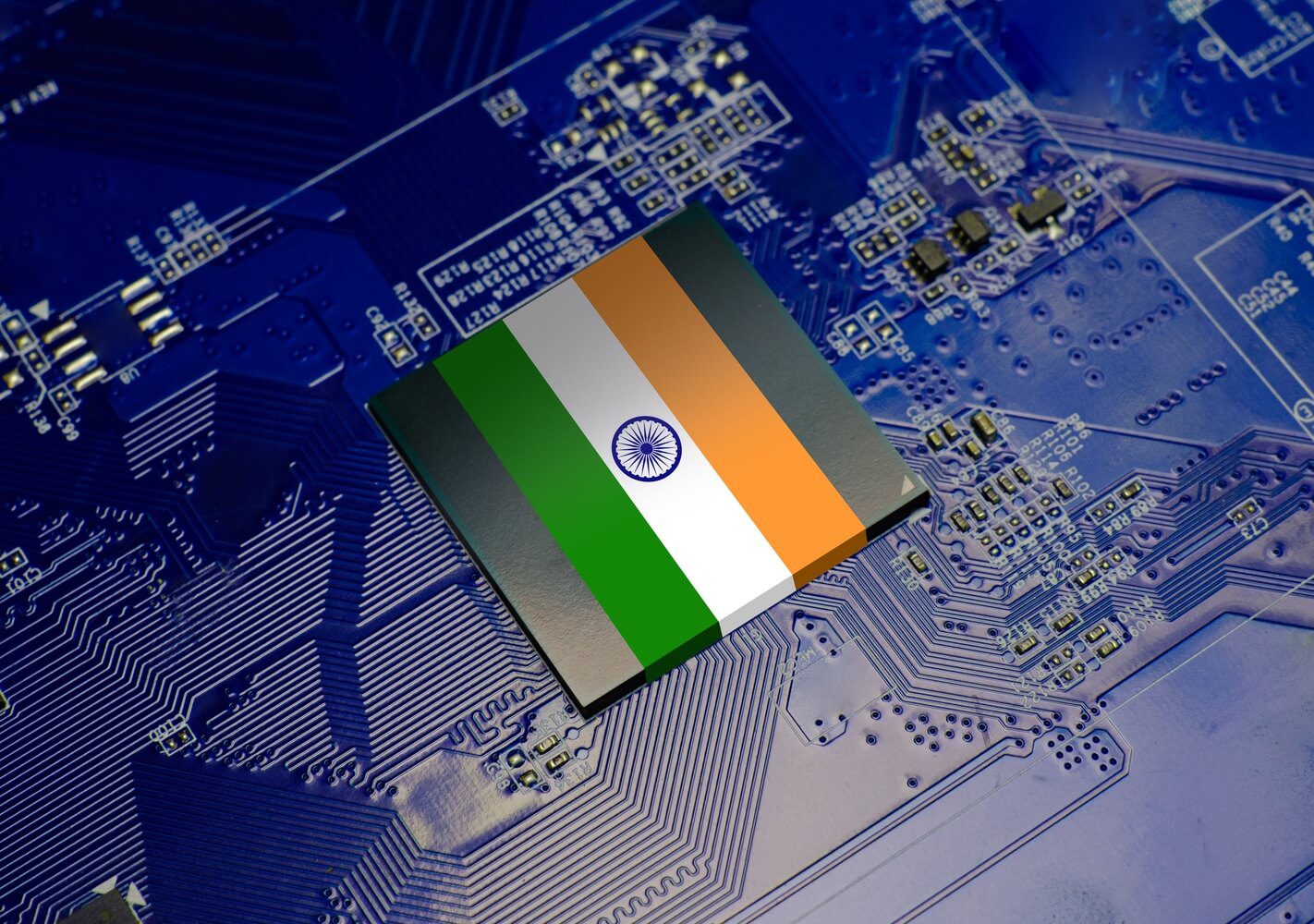
It’s actually Indian intelligence that’s going to dominate the new generation of big tech
- admin
- March 4, 2025
- 0 Comments
Date: 25th Apr 2023 | Publication: Stockhead Click here to read the complete article

Embrace the case for India
- admin
- March 4, 2025
- 0 Comments
Date: 26th May 2023 | Publication: Stockhead Click here to read the complete article

Best performing Australian funds of 2023 (equity)
- admin
- March 4, 2025
- 0 Comments
Date: 02nd February 2024 | Publication: Ausbiz Best performing Australian funds of 2023 (equity) Some of the best performing funds of 2023 are holding firm on bitcoin and mega-cap tech stock picks that made them big money last year, betting that the surge in prices will broaden out to as-yet untouched areas of the market. While Regal Partners’ small-cap fund eked out the top spot for Australian equity managers, it was homegrown DigitalX’s bitcoin fund that was the best performer overall, returning just shy of 150 per cent in 2023<, according to preliminary data from Morningstar. CLICK HERE TO READ THE COMPLETE ARTICLE

India is betting on Narendra Modi. You can too.
- admin
- March 4, 2025
- 0 Comments
CLICK HERE TO READ THE COMPLETE ARTICLE

Modi v3.0: Here’s where investors can go shopping
- admin
- March 4, 2025
- 0 Comments
CLICK HERE TO READ THE COMPLETE ARTICLE

Digitalisation, infrastructure, urbanisation in India and their impact on investors
- admin
- March 4, 2025
- 0 Comments
The Indian economy is the fastest-growing major economy in the world. Driven by internal demand and a burgeoning middle class, India may offer an opportunity for investors. In this episode of the Portfolio Construction podcast, Paul O’Connor, Head of Investment at Netwealth, chats with Mugunthan Siva, Managing Director and Co-Founder of India Avenue Investment Management. Mugunthan shares his perspective on why he believes India is poised for continued growth, the factors driving corporate earnings, and the expanding investment opportunities in specific sectors like pharmaceuticals and real estate. They also explore the impact of government policies, digitisation, and infrastructure development on the Indian economy and the potential risks of investing in India, such as rising oil prices and industrial challenges.

India’s next structural growth story
- admin
- March 4, 2025
- 0 Comments
India has emerged as the pharmacy to the world – a point illustrated during the pandemic and driven by scale economics and export prowess. India’s Pharmaceutical Industry: Poised for Decades of Growth India’s pharmaceutical industry is poised for a multi-year growth surge, driven by its strategic strength in manufacturing for both domestic and export markets. According to EY FICCI, the industry is projected to reach $130 billion by 2030 and an impressive $450 billion by 2047. With the global pharmaceutical market exceeding $1 trillion, India holds the third-largest market share by volume, underscoring its pivotal role in the global supply chain. Patent Cliff: A Game-Changer The global pharmaceutical industry faces a significant patent cliff, with over $300 billion in sales at stake in the coming years. Nearly 200 drugs are set to lose patent protection within the next decade, including 69 blockbuster medications, each generating over $1 billion in annual sales. This wave of patent expirations presents both challenges and opportunities for the industry, reshaping revenue streams and competitive dynamics. This patent cliff differs from previous ones as it includes a significant number of biologics, making the shift to biosimilars particularly critical. Successfully navigating this challenge will demand a blend of innovation and strategic planning—areas where India has demonstrated excellence over the past decade. With its well-established medical infrastructure and expertise, India is uniquely positioned to capitalise on the opportunities presented by this transition. Building a Robust Medical Infrastructure India’s medical infrastructure is expanding rapidly, with the establishment of medical device parks, bulk greenfield drug parks, and advanced manufacturing plants. The country plays a pivotal role in the global pharmaceutical supply chain, ranking second only to the U.S. in FDA-approved facilities, with over 1,500 sites. Notably, India has the highest number of USFDA-compliant pharmaceutical plants outside the U.S., accounting for around 650 facilities—nearly a quarter of all such sites globally. Over the years, India has built a robust infrastructure and supply chain network, enabling large-scale production while maintaining stringent quality standards. According to a McKinsey report, Indian USFDA facilities are of higher quality than the global average – having a lower number of Official Action Indicated (OAI), which means fewer regulatory/administrative actions recommended compared with international peers. This strong foundation is further reinforced by a skilled workforce and high managerial and technical expertise. Recognising the sector’s potential, pharmaceutical companies are ramping up investments to penetrate rural markets and enhance infrastructure, positioning the industry for explosive growth over the next decade. Economies of Scale Driving Exports India has emerged as a global leader in supplying low-cost vaccines, earning its reputation as the “Pharmacy of the World.” Thanks to their affordability and high quality, Indian medicines are widely preferred, propelling the country to rank third globally in pharmaceutical production by volume. Indian pharmaceutical exports reach over 200 countries, with the U.S. being the largest market. In FY24, drug and pharmaceutical exports surged by 9.7% year-over-year to $28 billion. Between 2018 and 2023, the industry achieved a compound annual growth rate (CAGR) of 6-8%, driven by an 8% increase in exports. This growth trajectory is set to accelerate further, supported by government initiatives such as the $2 billion Production-Linked Incentive (PLI) scheme (2020-2029), aimed at expanding manufacturing capacity, attracting investment, and diversifying product offerings. Capturing the Growth Opportunity With healthcare representing just 5.6% of the MSCI India Index, passive or benchmark aware funds/etf’s may miss this megatrend. Active strategies offer a compelling avenue to tap into India’s rising global pharmaceutical market share. India’s pharmaceutical sector is uniquely positioned to capitalise on emerging global trends, cementing its status as the “Pharmacy of the World” and a core component of India’s economic growth story.

New fund tapping into Indian equities
- admin
- September 5, 2016
- 0 Comments
Date: 9th Sept 2016 | Publication: Financial Standard India Avenue Investment Management Australia has taken advantage of the recent surge in India’s economy by launching a new unlisted investment fund. The India Avenue Equity Fund is an open-ended fund with the ability to hold up to 30% cash, allowing it to be nimble in managing equity market volatility if required and will be targeted toward both retail and wholesale investors. The fund is to be benchmarked against the MSCI India Index in Australian dollars, with any outperformance of this attracting a 10% performance fee. Click Here To Read The Complete Article